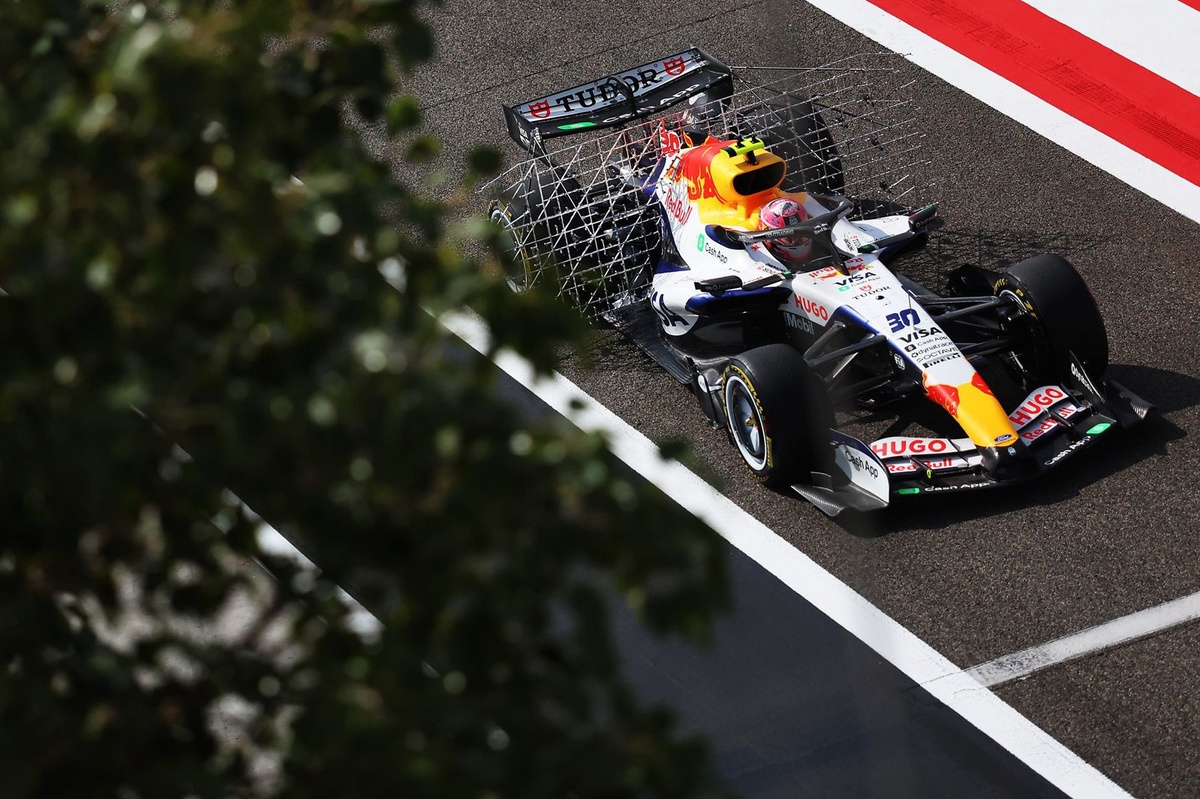
The latest F1 Commission meeting held on Tuesday has failed to reach an agreement on the proposed changes for the engines for the upcoming 2027 season. Nevertheless, an extra day of winter testing has been approved, increasing from three to four days, a measure that will allow teams to better prepare for the new calendar.
In the days leading up to the Canadian Grand Prix, the FIA had announced a “principles agreement” regarding the changes to the engines, but discussions have revealed the political complexity surrounding their implementation. The proposals included a 60/40 power distribution, which would increase the importance of internal combustion engines compared to the current 2026 regulations.
Officials from various teams have expressed concern about the impact these modifications could have on the chassis. Some teams want to maintain their current designs, and have garnered support to reduce the length of some races, as well as to limit reconnaissance laps to only one per driver.
The situation complicates on the engine side, as changes in fuel supply may require additional technical adjustments, and some brands, like Honda, have warned about potential reliability issues stemming from these adjustments.
Additionally, support from a supermajority among engine manufacturers is required, meaning four out of six must agree, with General Motors also having voting rights, which could potentially cast its influence alongside Ferrari.
As for winter testing, the location for the additional day has not yet been confirmed, but Bahrain is the leading candidate to host it, considering previous events. Furthermore, changes have been approved to the Previous Car Testing Regulations (TPC), with restrictions to prevent these tests from providing a competitive advantage.
Written by FormulaRapidaAI