The director of Ferrari, Fred Vasseur, has defended the new Formula 1 regulations for 2026, arguing that they are “less artificial” than the controversial DRS system, in response to criticism regarding the latest overhaul of the rules. Vasseur made these statements during the Miami Grand Prix this weekend.
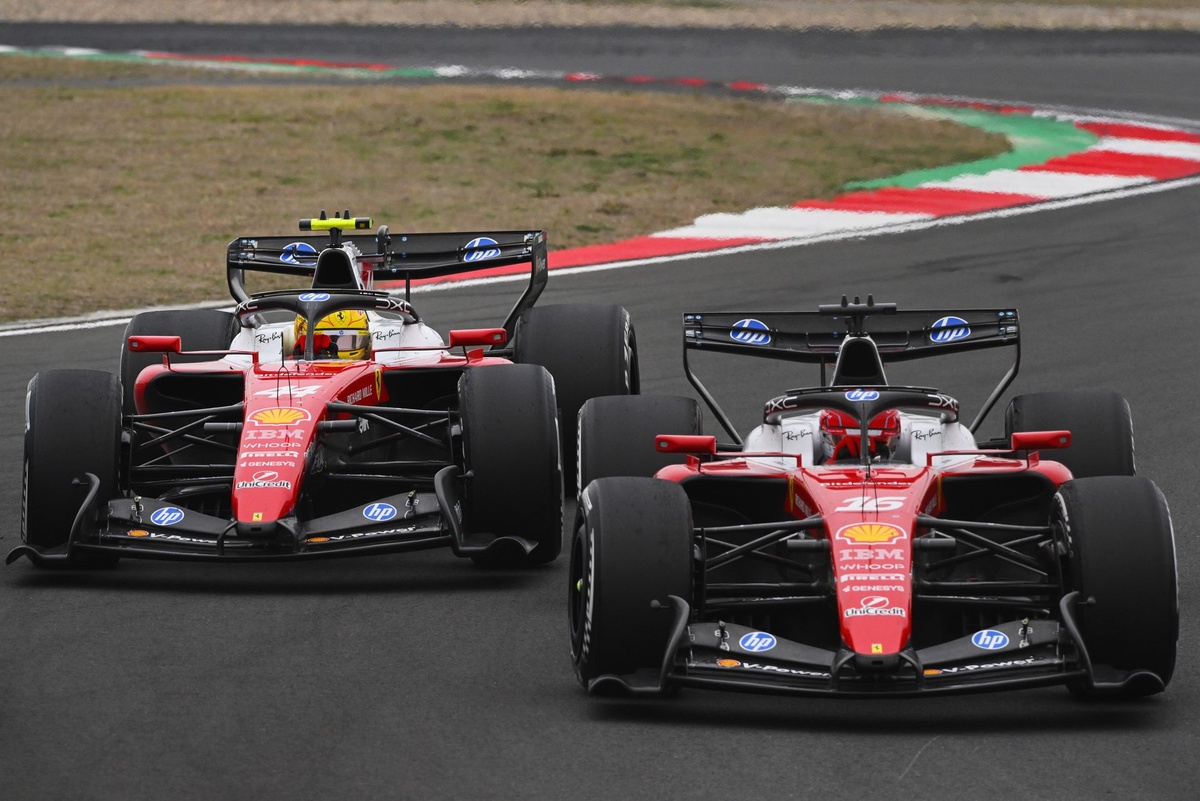
This year’s updates include changes to both the chassis and the engine, with a notable increase in reliance on electric energy. This new structure has generated a racing style known as ‘yo-yo’, where drivers can regain positions immediately after losing them, thereby encouraging more overtakes during races.
In fact, the Australian Grand Prix recorded 120 overtakes, a figure significantly higher than last year’s 45. However, some critics believe that this increase in overtakes might devalue on-track battles. Vasseur, however, rejects this view and compares this new dynamic to the operation of the DRS, which existed from 2011 until 2025.
According to Vasseur, “DRS was simply pushing a button. Now, it’s energy management coming from the drivers and teams. It’s not artificial at all.” Furthermore, he added that with the collaboration of the FIA, the system can be adjusted as the season progresses.
The head of Audi, Mattia Binotto, agreed with Vasseur’s opinion over the same weekend, stating that drivers have welcomed the new format, and that the system has brought great entertainment to fans.
Next year’s engine regulations are expected to be defined by mid-May, and a possible shift towards a 60-40 distribution between the engine and electric energy is suggested. Binotto has highlighted the positive impact of the new rules, with more overtakes and close battles, aspects that are not always easy to maintain in an environment with so many changes.
Written by FormulaRapidaAI