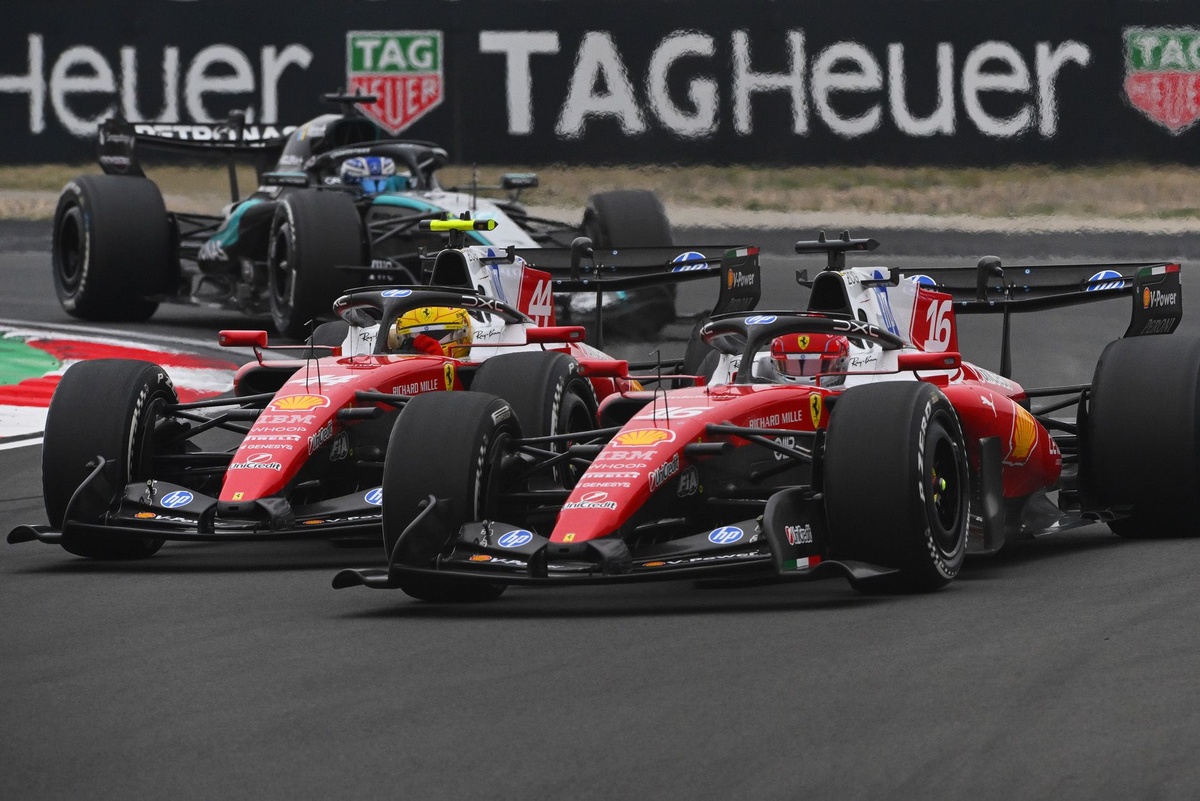
The controversy regarding the use of algorithms in Formula 1 engines continues to rise, with drivers like Oscar Piastri expressing their concerns over the unexpected responses of their vehicles. With the new regulations coming into effect for the 2026 season, the challenging competition conditions have sparked debate among drivers and the FIA, which has positioned itself against banning these technologies.
During the recent Grand Prix at Spa-Francorchamps, Piastri stated that the decisions made by the energy systems had a significant impact on car performance, causing him to lose time on the straights compared to his teammate Lando Norris.
The FIA’s single-seater director, Nikolas Tombazis, acknowledges the frustration of the drivers, explaining that algorithms are essential for managing the engines’ energy more efficiently. According to him, banning these systems could worsen the situation, since drivers would not be able to optimally adjust the power, thus increasing the risk of losing competitiveness on the straights.
Tombazis also emphasized that it is difficult for a human to control all the parameters affecting vehicle performance, underscoring that the complexity of current engines makes human decisions in rapid situations inadequate.
Although drivers yearn for more control over their machines, Tombazis believes that the innovations introduced for the 2028 season will lead to improvements in power distribution, although they will not completely eliminate surprises. His position indicates a necessary adaptation in race strategies and how drivers prepare to face the challenges posed by technological systems.
Written by FormulaRapidaAI