The regulations of Formula 1 for the 2026 season, designed to ensure that customer teams have access to the same engine specification as official teams, present a new complexity that may harm independent teams. As competition becomes more technical, accumulated experience becomes a crucial factor.
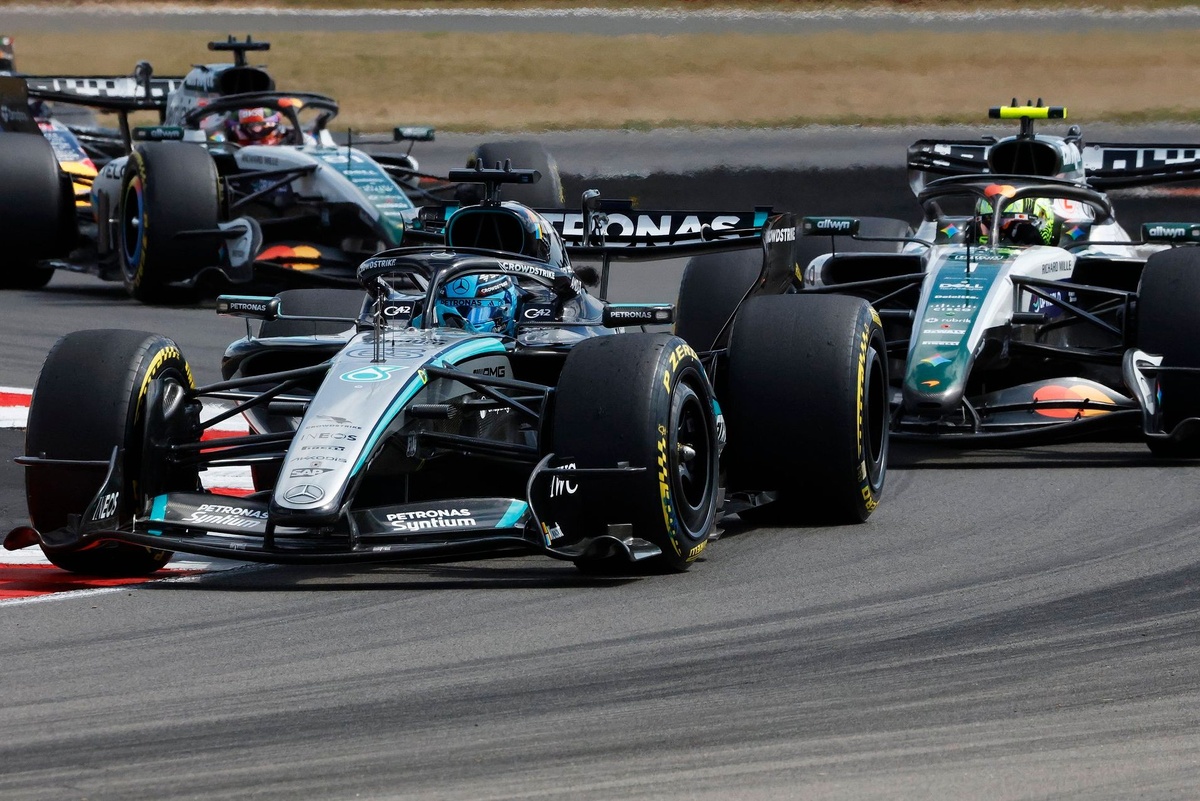
The situation is evident in the case of McLaren and its engine partner, Mercedes. The difference lies not only in the hardware but also in the ability to exploit it effectively. So far, customer teams have had successes in the past, but with the new hybrid vehicles, the dynamics have changed significantly.
With the arrival of the new regulations, not only engine suppliers are affected, but also the relationship between manufacturers and customer teams. The importance of the MGU-K and energy management has become key performance factors, giving more weight to the software used. Although customer teams have engineers from the manufacturers by their side, the responsibility for optimizing the engine falls on them.
A paradigmatic example is Andrea Stella, head of McLaren, who has pointed out that his team struggles to extract the maximum performance from the HPP engine. Furthermore, he emphasized that decisions about gearbox ratios directly influence their performance, which Mercedes has repeatedly highlighted.
With more sophistication in engineering technologies, the current regulation continues to ensure equal access to hardware, but it cannot legislate the skill needed to make the most of it. This indicates that the advantage of an official team originates not only from access to the engine but also from the expertise gained through the development and management of this innovative technology.
Written by FormulaRapidaAI