The world of Formula 1 has prepared for the Miami Grand Prix, where drivers have expressed their opinions on the recent regulatory modifications. These changes aimed primarily to enhance safety and enrich the spectacle for both fans and stakeholders involved.
The revisions of the 2026 regulations focus on increasing the super clipping power from 250 kW to a maximum of 350 kW. At the same time, the energy recovery limit has been reduced from 8MJ to 7MJ during qualifying, thereby decreasing the need for techniques like lift-and-coast and super clipping.
Moreover, adjustments have been introduced in the race starts. If a driver has a slow start, the MGU-K will activate to provide a minimum level of acceleration, aiming to prevent accidents between vehicles displaying very different speeds at the moment of the start.
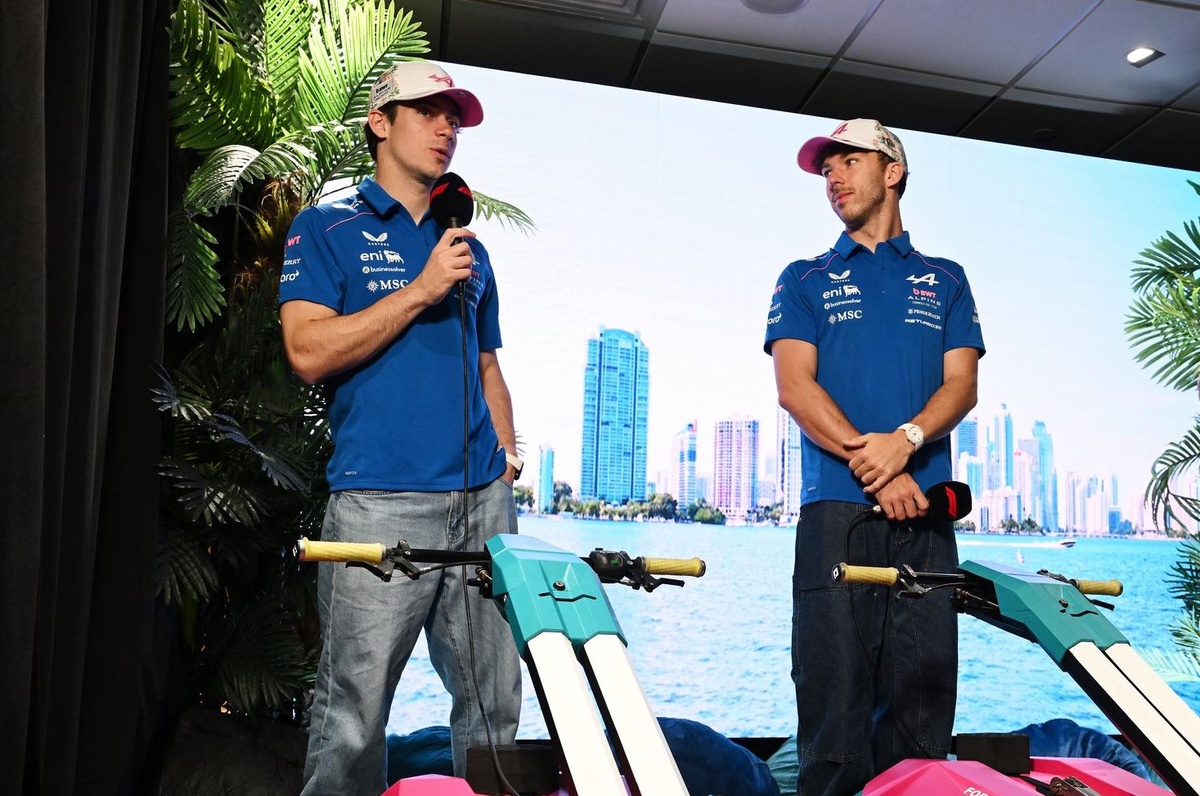
These modifications have received unanimous support from the FIA, F1, and the teams. Drivers have highlighted the good communication with the regulatory body, which has taken their opinions into account in the decision-making process. Pierre Gasly, from the Alpine team, stated: “We are heading in the right direction with the requests we have made.” According to him, while they are not revolutionary changes, they do represent a significant improvement.
For his part, Valtteri Bottas, from Cadillac, commented that it is a good first step, although he warned that making drastic changes during the season could affect the current order of the teams. He emphasized the use of a WhatsApp group to facilitate communication and voting among drivers regarding change proposals.
Oliver Bearman, from Haas, praised the innovations in energy management during qualifying, which are now handled automatically with the throttle pressure. This allows drivers to concentrate on driving without having to manually manage technical aspects that could distract them.
Furthermore, Franco Colapinto from Alpine was more cautious and insisted on the importance of observing the changes on track before making a definitive assessment. Liam Lawson from Racing Bulls also expressed that simulator tests were useful, but the real performance will be seen once they are on track.
The Miami GP promises to be an interesting setting to see how these changes affect the race dynamics and the drivers’ experience.
Written by FormulaRapidaAI