
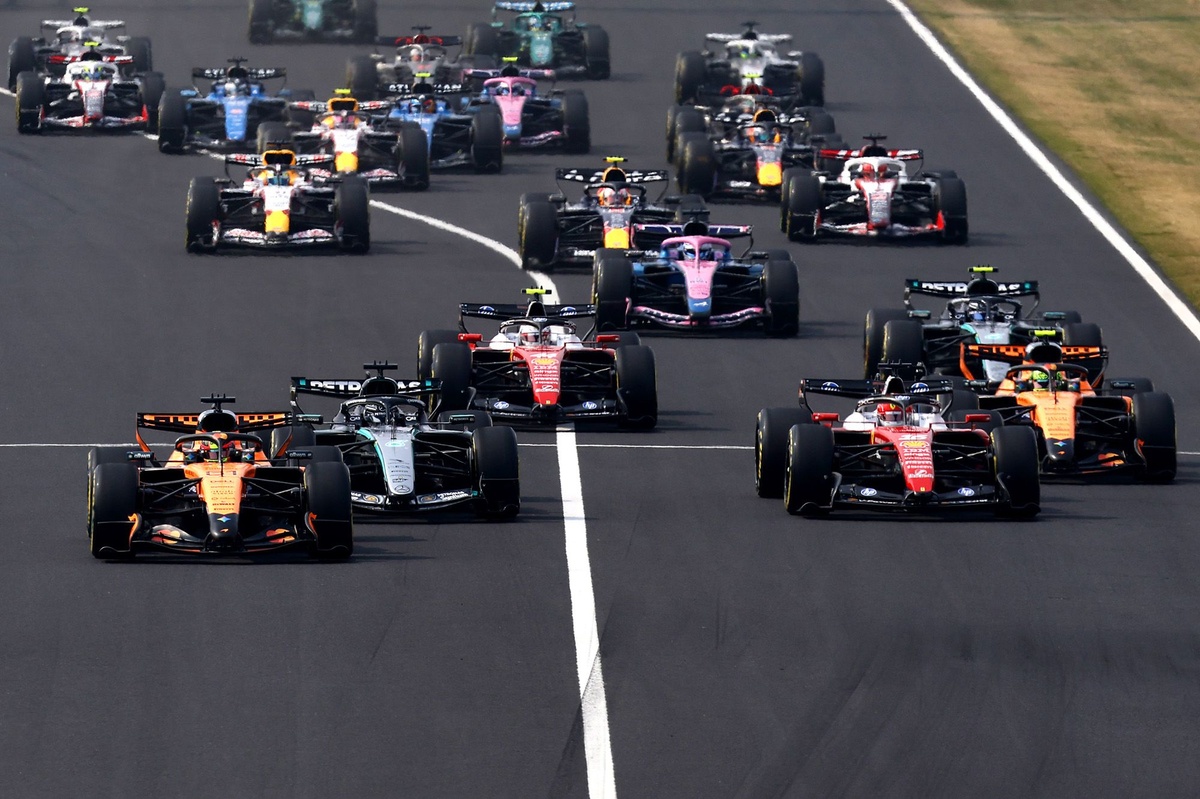
Formula 1 is approaching the Miami Grand Prix with a package of regulatory changes aimed at improving energy management and safety. These modifications, recently agreed upon between the FIA and the teams, will mainly focus on optimizing vehicle performance during qualifying and races.
The most significant changes include an increase in the super clipping limit to 350 kilowatts, a step that seeks to improve speed predictability and reduce the workload on drivers. From now on, drivers will be able to recover more energy while maintaining constant acceleration.
Additionally, the FIA has decided to reduce the energy recovery limit during qualifying, going from eight to seven megajoules. This measure aims to increase competition during qualifying sessions, although it will result in a loss of lap time for the vehicles.
The modifications also include a detection system for starts, which will be activated in case of abnormally low acceleration after releasing the clutch. This will help vehicles move away from the starting grid more quickly, thereby improving initial safety.
Despite complaints about current racing tactics, both the FIA and F1 consider these measures an important step towards improving competition without substantially altering the essence of racing.
Written by FormulaRapidaAI