


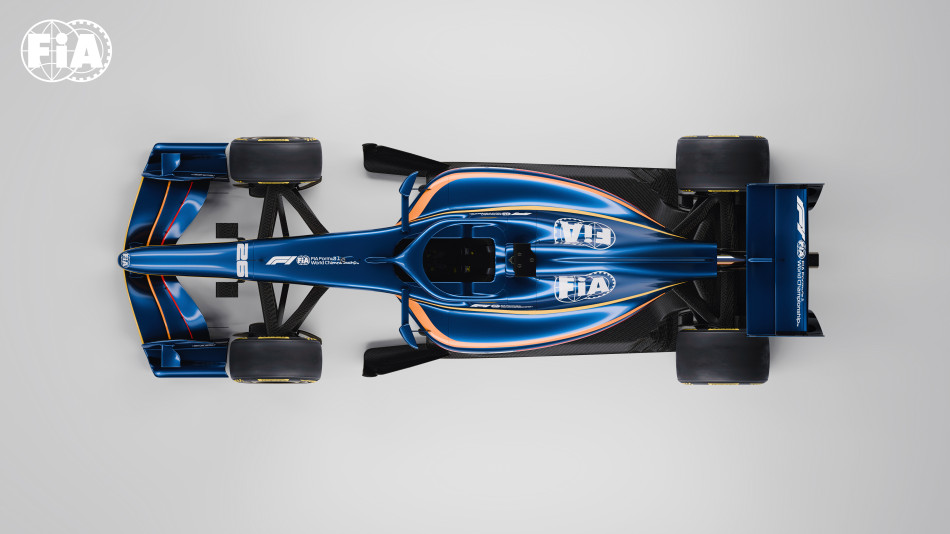
Nikolas Tombazis answers some queries on the F1 2026 regulations from FIA point of view, especially on steps taken to fine tune plus straightline mode, pace of the car and more.
There are multiple controversies already ongoing with regards to the 2026 F1 regulations in recent weeks resulting in tweaks made by the FIA. The big one that came to light is related to the compression ratio of the cylinders, which was set at 18:0 in previous regulations.
Under the new regulations, it should be 16:0, but reports links Mercedes and Red Bull-Ford to be using a loophole, which the FIA has seemingly identified and is trying to close it off. Another one that has come to light is a trick altering the readings of the fuel-flow meter.
While there is no official statements on the topics, there is plenty of murmurs on the media front on it. The director of single-seater commission Tombazis, meanwhile, highlighted the big work undertaken by the FIA leading to the new F1 regulations and tweaks they have had to make to get things right.
The dirty air problem has been a struggle to get sorted in multiple regulations now. It was supposed to get better in 2022 and it did. But by 2025, it was again a problem, which Tombazis says will not be the case in 2026. The hope is that there is a longer shelf life and the wake issue doesn’t repeat for long.
Tombazis also addressed the queries relating to the use of straightline mode, which is kind of a replacement to DRS. He didn’t go into the details of the last change, but shared his opinion on the topic of the pace of the car after some compared it to F2 level, which he feels is way off the mark.
Getting the rules sorted, tweaked –
Tombazis: “Let me say, first of all, that the 2022 cars started off with a significant improvement in their wake characteristics. I don’t remember the exact numbers, but the loss of downforce at, say, 20 metres behind — if I remember correctly, and I’m risking saying slightly false numbers here — went from about 50% on the previous generation of cars to about 80 or 85% to start with on the 2022 cars. And then that gradually decayed during the regulation cycle to what it is now, which again I’m not entirely sure — but we are probably talking more like 70%. This is why we see that cars are currently struggling a bit more now following each other than in 2022, albeit still better than it was in 2021. We believe that the start of the new cycle will be more like 90% or something like that. So we believe it’s going to be better than it’s ever been.
“And we’ve learned that in some areas of the current generation regulations, some, let’s say, loopholes or unintended designs caused a significant worsening. The front wing endplate area is one clear area where this happened, where the front wing endplates morphed into shapes that permitted quite a lot of outwash. The inside of the front brake drums also worsened the characteristics. The side of the floors was another one. All of these areas, little by little, contributed to the worsening of the characteristics of the current cars. We think that in developing the regulations for ’26, we have learned a lot from that, and we hope we will maintain the good characteristics for a longer period — or hopefully not have this decay again. There will definitely be some, but hopefully not as much as we had during this cycle.”
Straightline mode, issues in different conditions –
Tombazis: “I’m afraid I won’t give you too much detail there. There’s been a lot of discussion on this topic with a few different options. There were some final discussions on this topic at the technical meeting a few weeks ago, and there are a few different ways to solve it. But I’m afraid I’m not familiar with the very last change on that particular topic.”
Pace of the car, lap times –
Tombazis: “I think comments about Formula 2 pace are way off the mark. We are talking about lap times, overall, which are in the region of one or two seconds off where we are now, depending on the track, depending on the conditions. And, obviously, at the start of a cycle, it would be silly to be faster than the previous cycle. It would cost us nothing from a regulations point of view, it would be very easy to make the cars go faster. But one has to gradually claw back what is gained by natural development. So you can’t start the cycle going faster than the previous one. Then, you know, in 20 years from now, you can imagine what would happen. So I think it’s natural that the cars are a bit slower, but I don’t think we are anywhere near the ‘it’s not a Formula 1’ discussion in any way or shape.”
Why back problems in previous gen cars –
Tombazis: “I think the main issue you’re referring to is the fact that cars have been running very low and very stiff. That was something that, overall, had not been anticipated in the generation of these current cars. The natural direction of the aerodynamics for next year still favours low-running cars more than high-running cars — but not by the same amount. The slope of aerodynamics versus ride height is reduced, which means that the optimum will be a bit higher, and the cars will be running, we believe, a bit softer overall in order to have mechanical grip. Clearly, that is what we’re speculating. We’re not actually sitting there determining the conditions of the cars, but all indications we have are that it will be a bit better in that respect. But we’ll know for sure once we see the cars running.”
Here’s tier system for drivers’
Here’s tier system for teams’