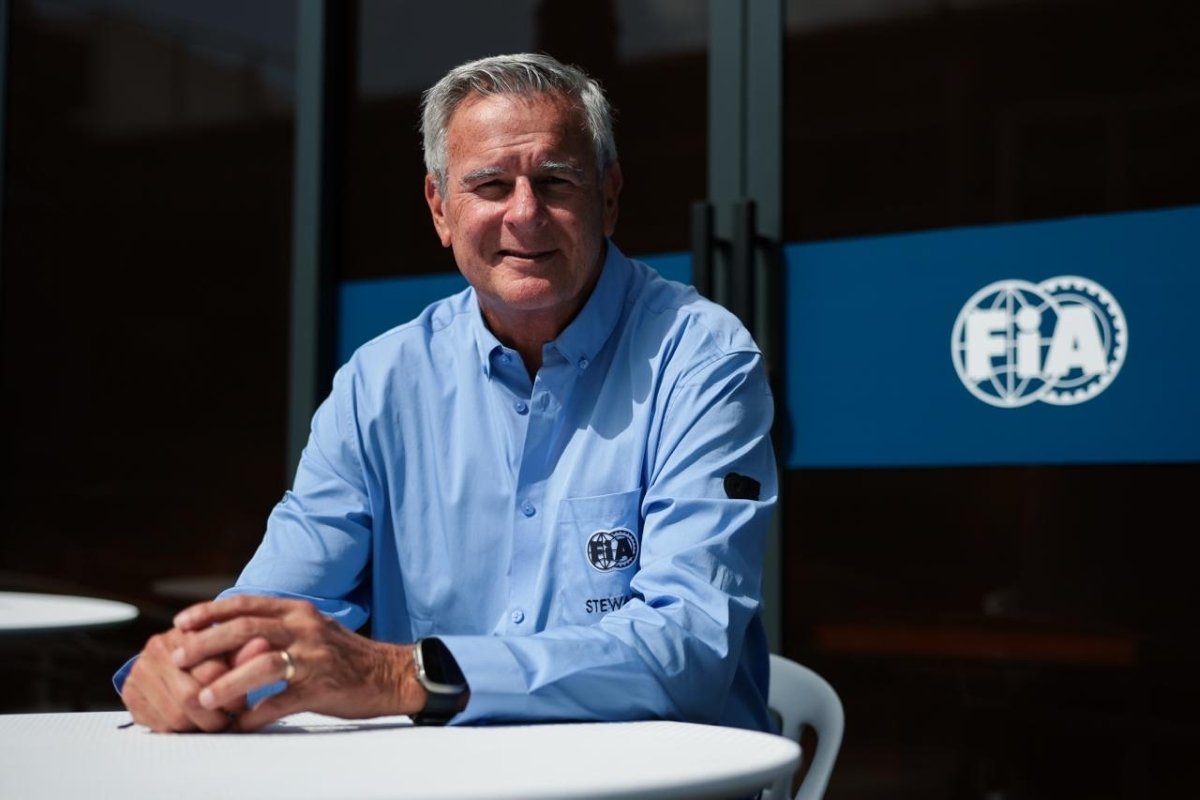
In the world of motorsport, the role of commissioners is never straightforward. Affected by situations such as track accidents, technical infringements, or the complex issue of track limits, these vital figures work rigorously to ensure fairness in competitions. Andrew Mallalieu, appointed commissioner by the FIA for Formula 2 and Formula 3 since 2017, highlights that the primary objective is not punishment, but justice through the consistent application of the rules.
In an environment where pressure is high, Mallalieu explains that popularity cannot be the criterion for a good commissioner. Respect, derived from fair and well-founded decisions, is what truly matters. Commissioners must base their decisions on objective data such as videos, radio transmissions, and telemetry, as well as the perspectives of the drivers.
Unlike the video assistant referee in football, commissioners cannot stop the action to review plays. Most decisions must be made during the competition to maintain the order that fans and drivers want to see.
Since early 2024, Mallalieu has been present at various FIA F2 championship races. His love for motorsport was born in Barbados, where he competed in rallies and began to get involved in competition administration. Over the years, he has advanced within the FIA structure, first working on rally regulations and then focusing more on single-seater categories.
Throughout his career, he has learned from key figures such as Charlie Whiting, who influenced his training as a commissioner in Formula 1. Mallalieu has participated in numerous WRC events and adapted his experience to apply a stricter regime in the lower categories, such as F2 and F3, where the aim is to instill responsibility in all drivers.
Despite the pressures and criticisms he may receive, Mallalieu defends that his job is to ensure that the rules are enforced fairly. This often includes imposing penalty points on drivers’ licenses, a practice that remains more rigorous in F2 and F3 than in F1. Incidents in these categories can be more frequent, which makes the job of commissioners often more intense and complex.
The decision-making and review process is detailed and methodical. Commissioners meet regularly to discuss the rules and the situations experienced during races, and Mallalieu emphasizes the importance of continuous training to ensure everyone is aligned in their decisions.
In his role as president of the panel of commissioners, Mallalieu seeks consensus among members and provides a platform where drivers can express their opinions after incidents. This communication is essential to ensure that decisions are made fairly and transparently.
Despite criticism regarding the professionalization of commissioners, Mallalieu insists that passion and experience are essential elements for the proper functioning of the role. With a career marked by dedication to motorsport, he considers leading the commissioners an honor and a responsibility that he takes very seriously.
Written by FormulaRapidaAI