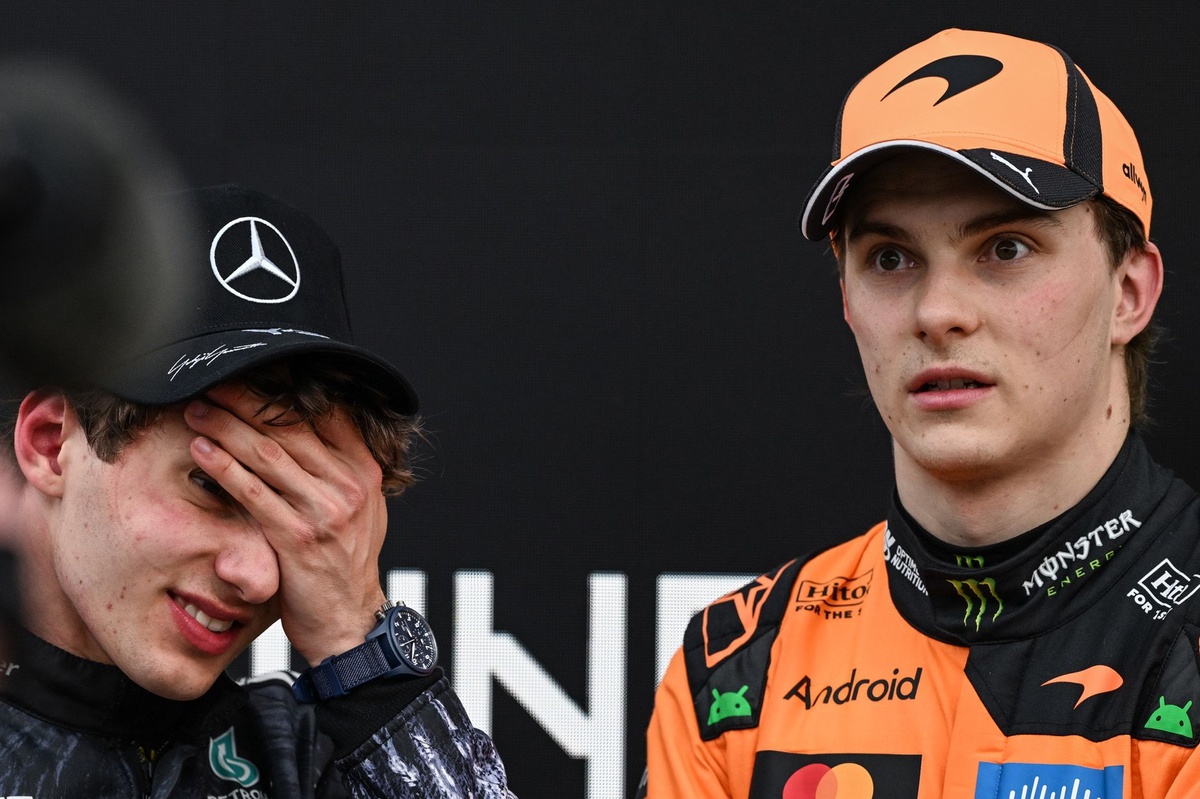
Oscar Piastri, McLaren driver, emerged as a strong contender for victory during the Japanese Grand Prix, but the timing of his pit stop, combined with the deployment of the safety car, frustrated his aspirations. The lingering question is: would he have won if it weren’t for this unexpected interruption?
The situation became complicated on lap 22, when Haas driver Oliver Bearman suffered a severe crash that brought out the safety car. At that moment, Piastri was in a position to lead the race, having completed his pit stop. Unfortunately, this event benefitted his Mercedes rival, Andrea Kimi Antonelli, who was able to make a tire change at a very low cost and overtook Piastri during the stops.
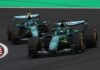
Analyzing the circumstances without the crash, uncertainty persists. Antonelli proved to be the fastest driver on the Mercedes team, surpassing his pace after recovering from a poor start. It is possible that, under a scenario without the safety car, Mercedes would have adopted a different strategy, possibly attempting an ‘overcut’ to pressure Piastri, who was on pace during his subsequent laps with fresh tires, lacking sufficient rhythm to stay ahead.
In the next phase of the race, Mercedes’ dominance became evident. Antonelli on clear track was able to drive at a notably faster pace, over half a second per lap quicker, which posed a complicated scenario for Piastri if competitiveness had been maintained without the virtual neutralization of the race due to the yellow flag. In the immediate laps following his stop, Piastri was over two-tenths per lap slower than Antonelli.
Ultimately, although the battle for victory seemed tighter than it actually was, Piastri demonstrated that McLaren is getting closer to the level of the leading teams. Overall, the pace difference in the second phase was clearly less than in previous races, a sign of progress for the British team.
Written by FormulaRapidaAI