


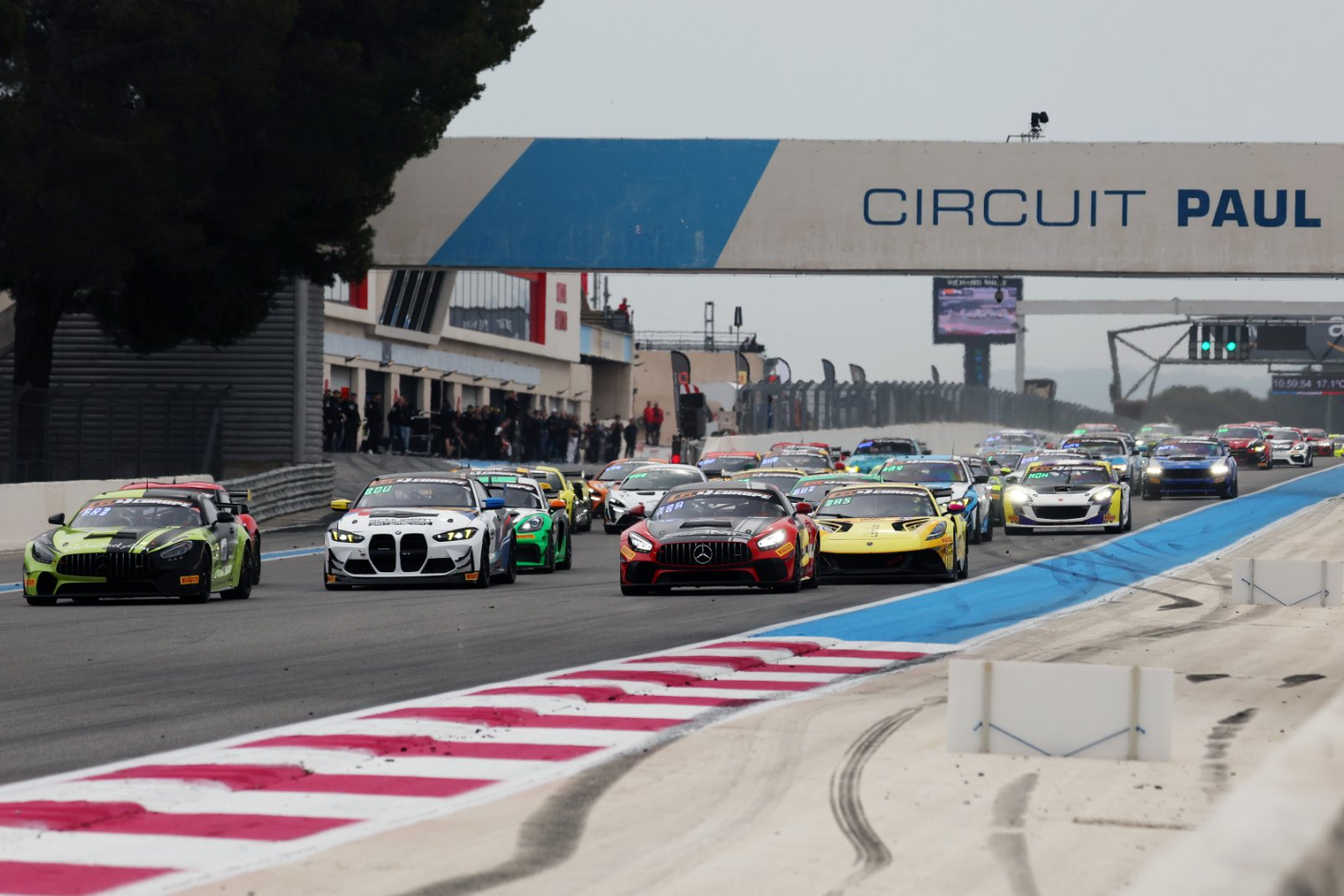
Motorsports are arguably one of the most expensive sports on the planet, especially those competing at the highest level. Their net spending per year often reaches hundreds of millions of pounds. But these aren’t just the priciest forms of sport, as they are also highly costly engineering competitions.
Many wonder where the money goes in these motorsports and why the teams are spending so much. We dedicated this article to answering these questions and to give you an idea about the overall spending in high-level motorsport.
High-Spending Motorsport Series That Draws the Most Attention Among Fans and Bettors
When talking about major spending in motorsport, we primarily think of the biggest series in this type of sport. They often feature teams owned or sponsored by the best and most valuable car manufacturing brands in the world.
Just a couple of them are Mercedes, BMW, Ferrari, Aston Martin, Ford, Toyota, Chevrolet, and McLaren. Each of these constructors generates hundreds of millions of pounds per year and spends a good portion of them on their racing teams.
The highest-spending motorsport series that feature these constructors are Formula 1, NASCAR Cup Series, FIA World Endurance Championship, IndyCar Series, and 24 Hours of Le Mans. These are the same racing competitions that generate the most wagers at the betting sites featured on squawka.com.
We can confirm that the Formula One World Championship is the most expensive motorsport series. Here, each team spends up to $215 million (around £160 million) per year.
This means that the total potential costs for all 11 F1 teams can go up to $2.365 billion (around £1.76 billion). But these aren’t the only teams spending, as the cap doesn’t include driver and executive salaries, some infrastructure costs, marketing, and hospitality.
Some of the key spending areas in F1 are research and development, factory operations, manufacturing and materials, and aerodynamics. Constructors also spend a lot of money on hundreds of employees, sponsorship activities, driver contracts, and race logistics in different countries.
Formula 1 Cost Cap and Other Financial Regulations
The 2026 F1 cost cap went up by $80 million (around £59 million) to reach $215 million (around £160 million). This spending limit includes any cost that can directly impact a team’s performance.
Before 2021, there was no cap, which allowed richer teams to get the best tech, personnel, and facilities. Now, each constructor gets equal chances to build a competitive racing squad.
But the wealthier F1 teams still find a way to slightly increase their advantage by spending in other areas outside the cap. That’s why their estimated costs often reach $300-$500 million (around £222-£371 million). Know that F1 drivers usually receive salaries that range from £15 million to £37 million.
The F1 also has a capital expenditure (CapEx) limit that falls under a different cap. This includes infrastructure improvements such as wind tunnels and factory upgrades. The featured limit is $45 million (around £33 million), and it applies over a 4-year cycle.
F1 teams that compete at the highest level usually invest in manufacturing, advanced engineering, logistics, data science and analysis, and elite performance. Combining all of these factors can significantly increase their overall spending. But it can also lead to better racing performances and greater revenue.
Spending at Other Motorsport Series
Each independent team that competes at the FIA World Endurance Championship gets a £4.3 million budget. The Hypercar program increases the spending cap for LMGT3 entries to £25.9-£34.6 million. Last season, this competition saw a £389 million rise in team budget.
In the NASCAR Cup Series, each competitive constructor gets a cap of £15.5-£30 million per year. Start-up teams get a spending limit of £5-£7.7 million. Now, NASCAR also paid out a total of £372.8 million to the constructors.
The IndyCar team budget often goes around £5.9-£7.4 million per season. However, elite constructors might spend from £8.1 million to £14.8 million per car annually. But these costs may go even higher due to recent technical additions such as the midseason hybrid powertrains.
At the 24 Hours of Le Mans, LMP2 and LMPGT3 entries usually spend between £700,000 and £5.9 million. A typical annual budget for a Hypercar often goes from £7.4 million to £22.3 million.