How Fast Are F1 Cars and Why Watching Them Never Stops Feeling Impossible
F1 Speed is More Than a Number
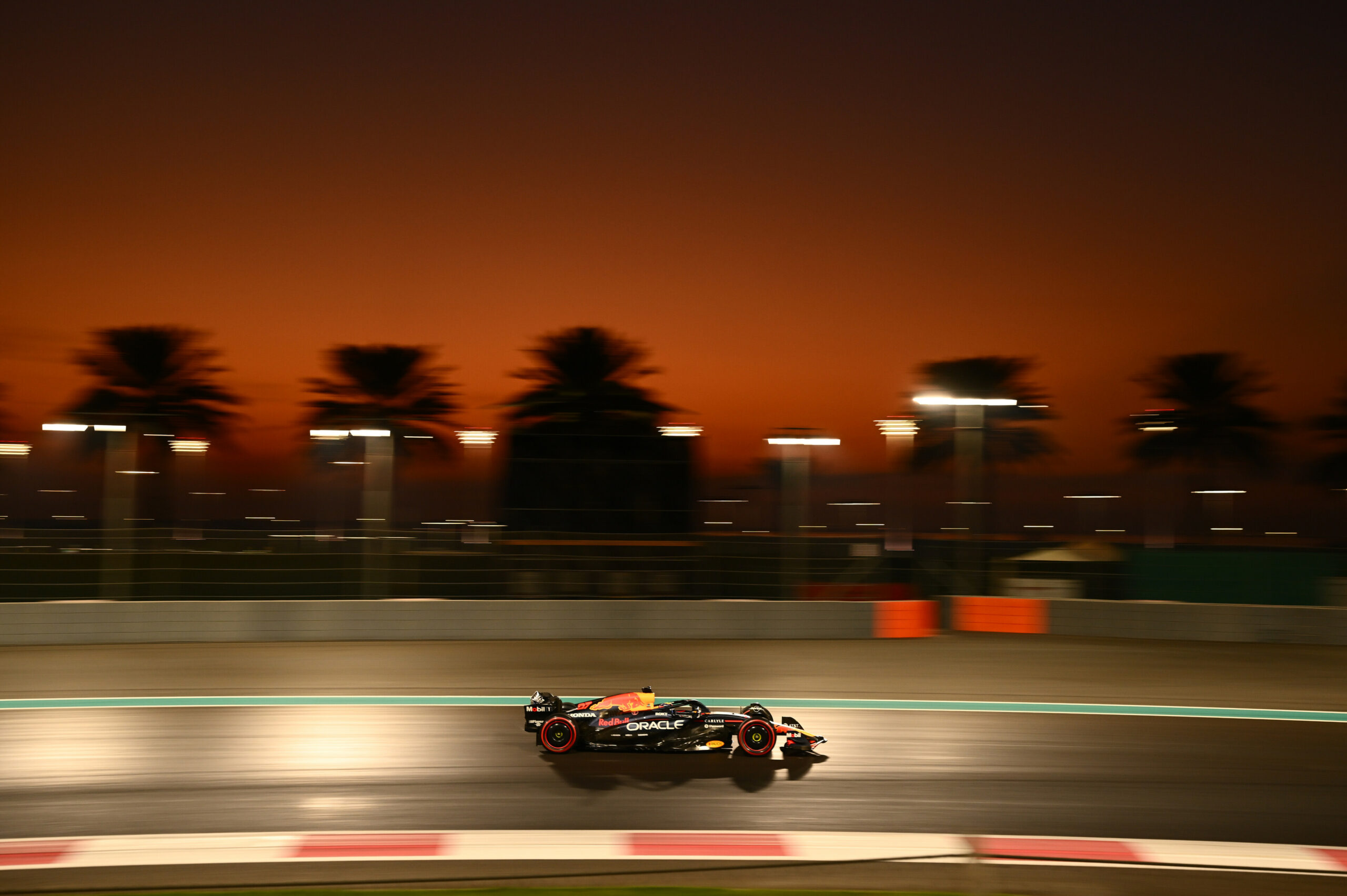
There’s a point during every Formula One race where your brain just gives up trying to process what it’s seeing. The cars dive into corners that look way too tight, brake so late it feels illegal, then rocket out like gravity briefly stopped applying. That’s usually when the question pops up, whether you’re new to F1 or have been watching for years: how fast are F1 cars?
The honest answer is that F1 speed is more than a number. It’s a combination of top speed, average pace, acceleration, and control. And when you put all of that together, it explains why these cars feel less like machines and more like guided missiles with steering wheels.
As the F1 season progresses, F1 championship odds are updated regularly at BetUS, giving fans a clearer view of title races.
How Fast Are F1 Cars at Top Speed?
Let’s get the headline stat out of the way first. A modern F1 car’s maximum speed reached roughly 350–360 km/h (around 220–223 mph) on tracks with long straights, such as Monza or Baku. That’s with DRS open, low drag setups, and everything working perfectly.
Historically, things were even more extreme. During the turbo era, engineers chased speed with very few limits, and the result was chaos in the best and worst ways. The often-cited Formula One speed record sits at 372.5 km/h, a number that still sounds slightly irresponsible even today.
So can an F1 car go 400 km/h? In theory, with no rules, maybe. In reality, no. Tires, aerodynamics, safety regulations, and common sense all come into play long before that point. Formula One is about controlled speed, not reckless speed.
Average Speed Is Where F1 Really Breaks Your Brain
If you really want to understand how fast F1 cars are, forget top speed for a moment. The more revealing number is the average speed of a Formula 1 car over an entire lap or race. Depending on the circuit, that average usually falls between 210 and 240 km/h.
That number includes slow corners, hairpins, heavy braking zones, and traffic. In other words, even when F1 cars are “slowing down,” they’re still moving at speeds that would get most road cars impounded instantly.
This is also why F1 cars look so calm through corners that would terrify anyone else. Downforce pushes them into the track, allowing drivers to carry more speed than is simply shouldn’t be possible. When fans argue about how fast F1 cars are, this actually proves the point.
Acceleration: Fast, Then Faster, Then Faster Again
Another way people try to grasp how fast F1 cars are is by looking at acceleration. A modern F1 car can hit 0–60 mph in about 2.5 seconds. That’s already supercar territory, but it undersells what’s happening on track.
F1 drivers aren’t launching once and calling it a day. They’re accelerating hard out of corners dozens of times per lap, managing traction, battery deployment, tire wear, and balance all at once. Then, just seconds later, they’re braking from 300 km/h like it’s routine. No drama. No wasted motion. Just relentless efficiency.
Why Speed in F1 Is Carefully Controlled
Formula One might look wild, but it’s tightly regulated. One rule that often gets mentioned is the 75% rule, which requires cars to qualify within a certain percentage of the fastest lap time. This keeps the grid competitive and avoids dangerous speed gaps between vehicles.
It’s a good reminder that when we talk about how fast are F1 cars are, we’re talking about speed within limits. Engineers are constantly pushing boundaries, but those boundaries exist for a reason. The goal is to race hard, not see how close things can get to disaster.
How Speed Shapes the Championship Battle
Pure speed doesn’t guarantee championships, but it usually points you in the right direction. Teams that consistently show strong top speeds and high average pace tend to stay in the title conversation.
As the season progresses, F1 championship odds begin to reflect which teams have nailed that balance between raw pace and race-day execution. Those odds are updated regularly at BetUS, giving fans a clearer picture of how speed translates into championship momentum.
In Formula One, speed is only helpful if you can repeat it every weekend without breaking something important.
How Fast Are F1 Cars Compared to Everything Else?
Compared to other racing series, Formula One still sits at the top of the food chain. IndyCar, MotoGP, and endurance racing all have their own strengths, but none combine acceleration, cornering, braking, and consistency like F1.
That’s why the question of how fast F1 cars never really disappears. The answer evolves slightly with every regulation change, but the feeling stays the same. Watching an F1 car at full commitment never stops looking unreal.
Final Thoughts on The Speed of F1 Cars
So, how fast are F1 cars? Fast enough to make physics feel optional, yet controlled enough to race inches apart for hours. The top speed grabs headlines, but the average speed, acceleration, and precision are what truly define Formula One.
F1 speed isn’t about shock value. It’s about mastery. And once you understand that, it’s impossible to watch these cars the same way again.