


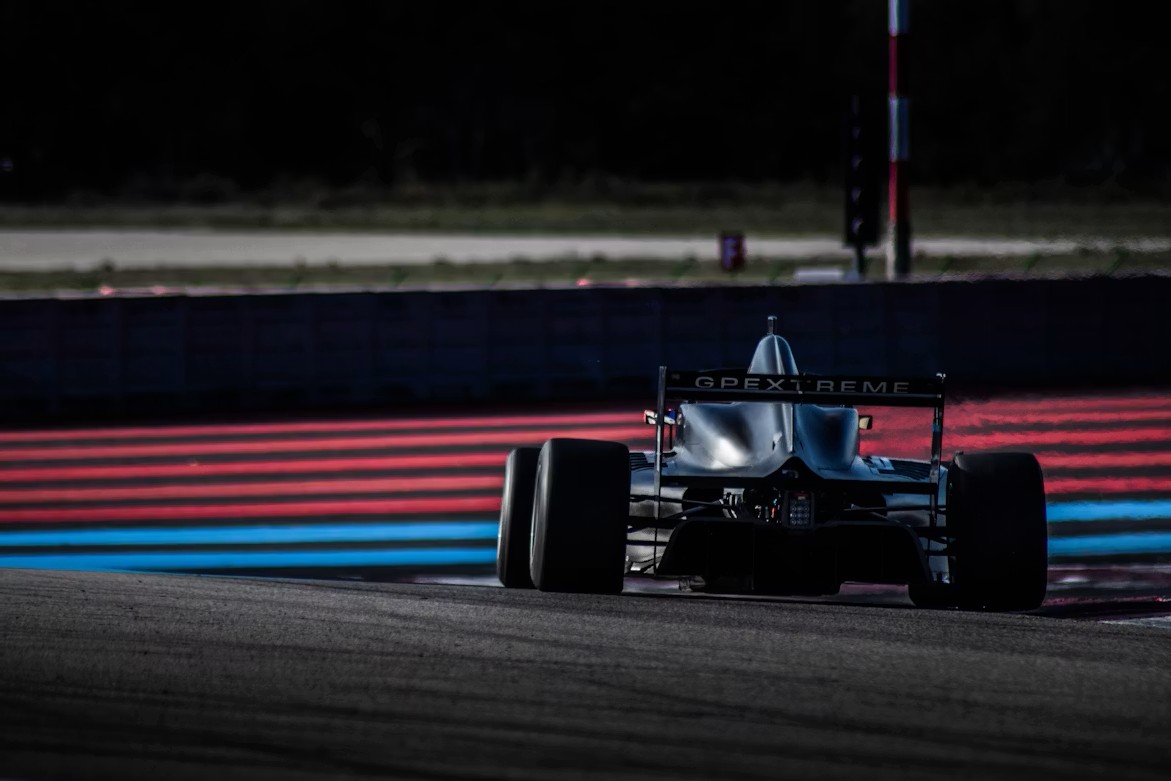
For most people, the image of Formula 1 is one that conjures up images of blistering speeds, wheel-to-wheel racing and dramatic passes. What they don’t typically think about is the resulting impact of camera technology incorporated within these machines on the safety systems in the cars we drive. Cameras that can shoot at 400 frames per second while mounted on-board cars are one thing; units that fit in the helmet and are just eight millimetres wide are another — but F1 has been working for decades on how cameras work in extreme environments, and the road car industry has all ears.
The Role of Cameras Inside an F1 Car
Each car on the modern F1 racing circuit is equipped with a number of camera systems; not all of them are for the television audience. In addition to the widely used T-cam above the driver’s windshield and the broadcast cameras in the nose of the car, every car will carry a required high speed camera that is hardwired directly into the Accident Data Recorder. This camera records at phenomenal speeds, providing the FIA with crash scenes at forensic levels which have resulted in tangible safety improvements.
In conjunction with Sports Illustrated, the FIA has been pushing for cockpit cameras and biometric sensors to get a better idea of what’s happening to drivers in crashes. These are not optional upgrades, but rather, efforts that have made a direct impact on helmet specifications, glove requirements, and restraint systems in the sport.
From the Cockpit to the Car Park
Engineering concepts that are applied to F1 camera systems – such as vibration resistance, compact size, wide-angle optics and stress resistant performance – are the same concepts used to develop camera-based safety systems in consumer vehicles. The relentless miniaturisation and durability that has been established in motorsports has inspired technology in reversing cameras, lane departure systems and blind-spot monitoring.
In the case of the camera, for example, it became a near universal feature and eventually a premium luxury. If you are looking to replace or upgrade your vehicle’s camera, knowing different types of reversing camera price will make sure you won’t pay too much for a good camera. The idea is similar to an F1 team considering camera vendors – you need the best image quality, build durability and cost.
Why the 2026 F1 Regulations Make Camera Tech Even More Important
With sweeping changes in regulations in 2026, data collection and safety monitoring have been redone. The new power unit regulations, active aerodynamics and very different car behaviour mean the FIA is getting more visual data than it ever has before to understand just how these cars will behave in real world racing conditions. The strategic positioning of a camera, field of view and quality of processing are all undergoing serious consideration in terms of regulation.
This is not only in the Paddock as any new generation of F1 camera build invariably trickles down to the automotive supply chain. Today the lenses that manage to function after 300 km per hour vibrations on a street circuit in Monaco will be the type that will determine the strength of the next generation of parking cameras and dashcams. Consumer products are designed to withstand the most extreme conditions, and there are few conditions as extreme as a Formula 1 car.
The Overlooked Connection Between Motorsport and Road Safety
You can shrug off F1 as a sport that doesn’t relate to everyday life, but this is not the case as the transfer of technology between the two is a constant, documented process. Disc brakes, carbon fibre bodies, semi-automatic transmissions and energy recovery systems were just some of the technology that has moved from the grid to the showroom. Camera-based safety is just the next installment in that saga.
When you next look at your reversing camera screen as you’re pulling into the supermarket parking lot, you’ll instantly see that your little display screen is connected to a decades-long legacy of motorsport innovation. With the racing technicians setting the standard for visual technology under the most extreme conditions, the image is clearer, the unit is smaller and the system is less expensive.