


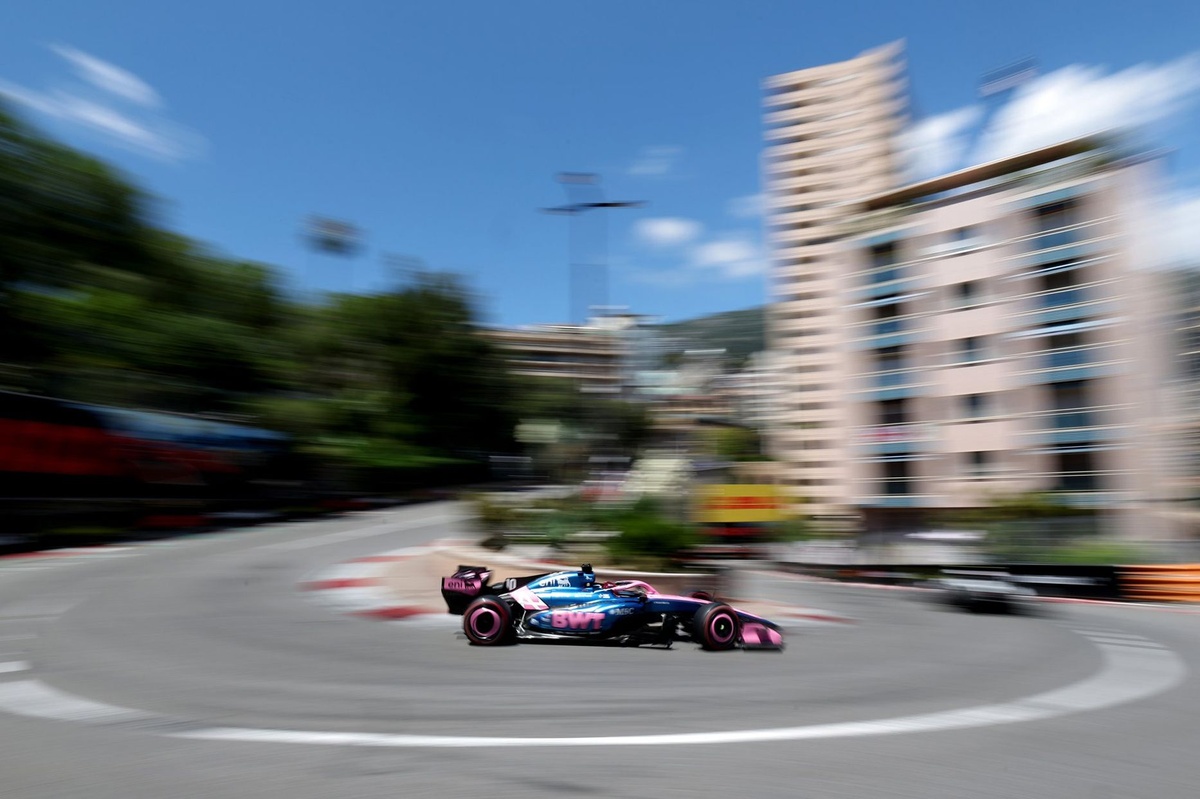
Formula 1 teams have the ability to appeal penalties or reprimands imposed by the stewards during a race weekend. To do so, however, they must present new documentation that has not been considered previously by the competition authorities.
Thus, teams have explored various avenues within the series to discover new and innovative evidence that may help them in their attempt to overturn a race result.
The legal battle of McLaren and Red Bull
Currently, McLaren and Red Bull are preparing to take their appeal against the outcome of the Monaco Grand Prix 2026 to the appeals court. Below are five examples of creative evidence that have been used by the teams to defend their positions.
A look at the Sky Pad
British viewers are well aware of the moment when a connection is made to the Sky Pad during race broadcasts. With a large touchscreen, experts like Karun Chandhok analyze actions on the track frame by frame. This information is mainly for entertainment and is not intended to be used legally.
However, Ferrari presented footage from an analysis of the 2019 Canadian Grand Prix to attempt to overturn a penalty imposed on Sebastian Vettel. The driver received a five-second penalty for re-entering the track unsafely, which forced Lewis Hamilton to avoid him. Despite presenting a post-race analysis from Sky Sports, the stewards rejected the request, arguing that the materials were opinion-based and not substantial.
The power of social media
The first race of the 2020 season, the Austrian Grand Prix, was memorable for several reasons, including Lando Norris‘s debut on the podium. After his teammate, Valtteri Bottas, went off the track during qualifying, Hamilton was summoned by the stewards for not respecting yellow flags. Despite being initially declared innocent, a later analysis published on social media showed 360-degree footage suggesting an infraction.
This footage, which showed a yellow light panel in operation, was incorporated by Red Bull into their appeal. The result was that Hamilton received a three-place grid penalty, elevating Max Verstappen and Alex Albon to second and fourth positions respectively.
Simulators at the service of justice
A year later, Red Bull turned to a simulator to present a new argument. After a collision between Hamilton and Verstappen during the 2021 British Grand Prix, Hamilton received a 10-second penalty. Red Bull argued that Hamilton’s maneuver was inevitable, which is why they used a simulation driver, Alex Albon, to recreate the incident.
Despite their efforts, the stewards did not accept their evidence, stating that it was created for the appeal and not a new significant discovery.
Time-based evidence
At the 2022 United States Grand Prix, Alpine was able to overturn a penalty against Fernando Alonso with a simple argument: a watch. After the Haas team appealed a penalty for an unsafe maneuver, Alpine demonstrated that the appeal had been submitted late, a fact that the stewards accepted, resulting in the revocation of Alonso’s penalty.
Meeting minutes as evidence
In a recent case, during the 2023 Canadian Grand Prix, McLaren presented minutes from a team principals’ meeting as part of their appeal for a penalty against Lando Norris. However, Williams’ defense argued that there was no consensus on the issue, and the stewards rejected the appeal.
The examples show that competition in Formula 1 goes beyond racing, with teams using various creative strategies to try to change the course of their results.
Written by FormulaRapidaAI
SourceID: SRC_459a33de3a523be8e737da554ba1ef401d59ddb4