


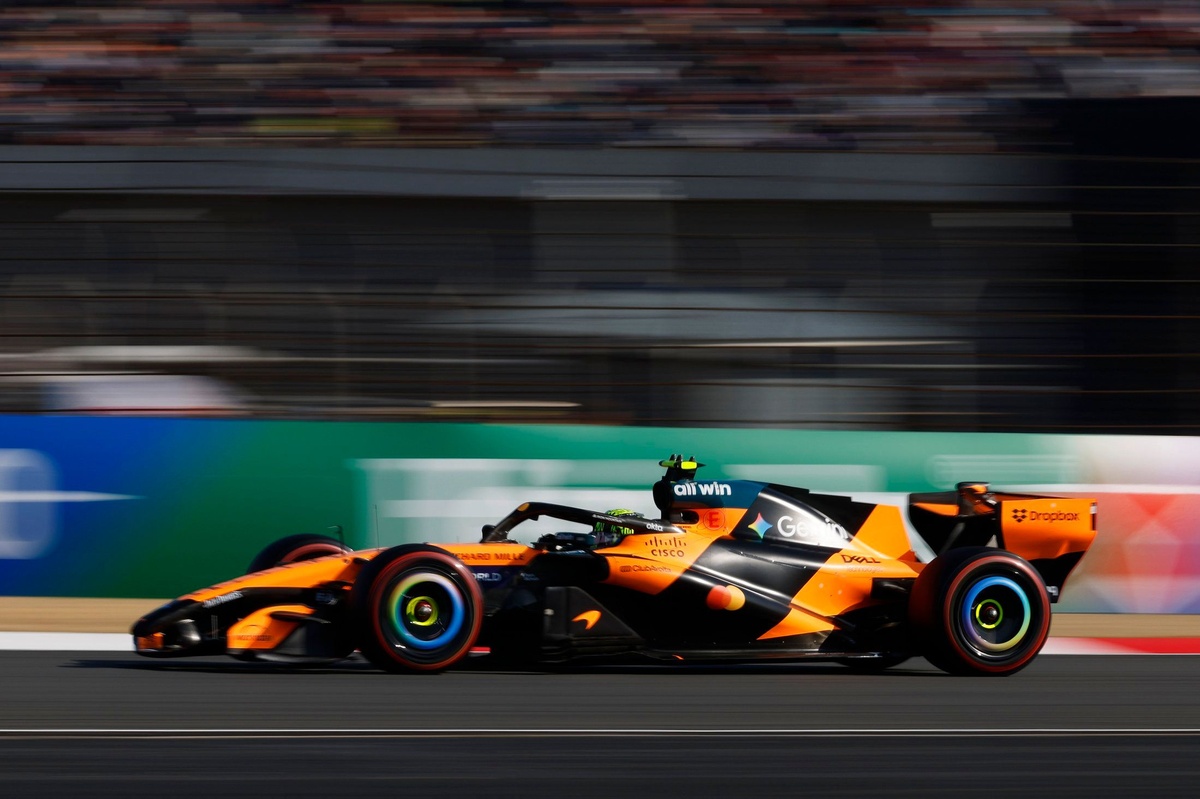
In a surprising decision, the FIA has opted to reduce the energy recovery limit during qualifying for the Japanese Grand Prix, which will take place at the Suzuka circuit. From now on, drivers will only be able to accumulate eight megajoules of energy, a decrease from the nine megajoules that were initially set.
This measure aims to minimize the phenomenon known as super clipping, which has affected competitiveness at circuits with low energy recovery capacity. Teams and drivers have expressed concerns about how cars behave in situations where they can recharge energy while maintaining a high pace, which reduces the difficulty of achieving a good qualifying time.
After the Chinese Grand Prix, a meeting was held where it was agreed that, despite the entertainment generated during the races, adjustments needed to be made in the qualifying phase to ensure that drivers face a real challenge. As a result of that meeting, the FIA deemed it necessary to act swiftly, and communicated this to the teams.
Although the FIA typically should inform teams with four weeks notice about changes of this nature, this decision was made in response to recent simulations showing that dependence on super clipping would be greater than expected.
The change has been made with the unanimous support of all engine manufacturers and will not affect the race on Sunday, as the FIA considers that the overall spectacle of the competition is acceptable at present. This adjustment is part of the FIA’s ongoing efforts to optimize the use of energy resources in F1 races.
Written by FormulaRapidaAI