


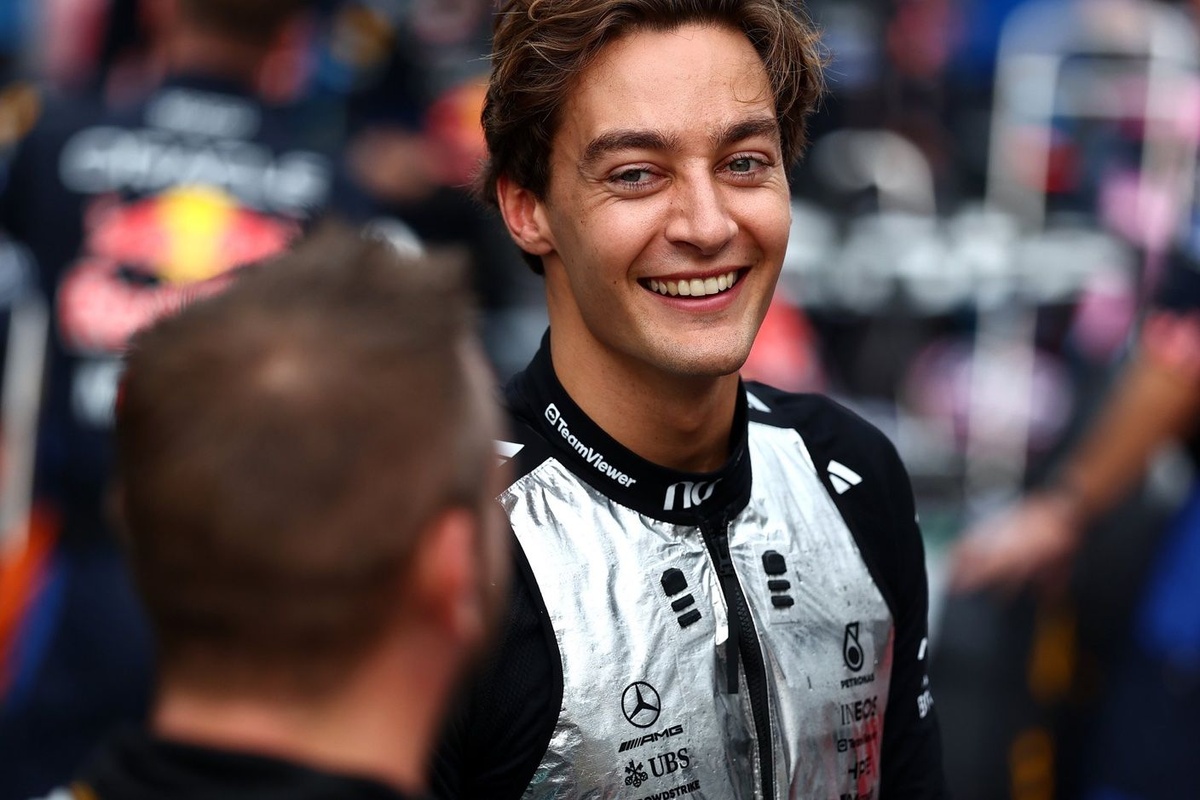
F1 drivers are divided on the use and importance of cooling suits, as the fourth race designated as “thermal hazard” in 2026 approaches.
Driver comfort in hot climates has been a central issue since the 2023 Qatar Grand Prix, when several competitors experienced heat exhaustion symptoms. In response to this concern, the FIA and F1 teams have provided extensive research resulting in a standard cooling suit that circulates water through a tubing system. When temperatures exceed 31 degrees, the FIA declares a “thermal hazard” requiring drivers to use the suit or add 0.5 kg of weight to their cars.
However, the effectiveness of this initial design has been questioned by drivers, as it only proves truly effective for a limited number of laps and causes discomfort inside the car. In light of this, the FIA has introduced a cost cap exemption for teams wishing to improve the design. They are offered a 50,000-dollar exemption if they present a cooling system that works throughout the race, along with another 75,000-dollar exemption for improvements to the cooling suit.
Mercedes driver George Russell sparked the debate in an interview with a British media outlet, urging the FIA to take further action to improve the regulatory framework. Mercedes has decided not to invest in a custom system, arguing that the exemption is not sufficient and they prefer to allocate their engineering resources to improve the speed of their car.
According to Russell, any additional resources directed towards suits that are only used sporadically detract from the effort to improve their W17 car.
Meanwhile, rivals such as McLaren, Red Bull, and Ferrari also focus on performance. For now, the issue has shifted to comfort rather than safety, an aspect that is not going unnoticed among the drivers.
Few drivers share Russell’s opinion. Some believe the current systems are adequate to handle the most extreme cases. Others, such as Max Verstappen and Isack Hadjar from Red Bull, have expressed that the system should be banned. “I think it should be banned, because it is supposed to be tough,” Hadjar said during the Singapore race.
Verstappen also expressed his disagreement, noting that “it is not necessary.” He commented that, although it is hot, it is not a sauna and that the cable system in the car limits his movement.
Alpine driver Franco Colapinto agreed with this stance, stating that while he feels it is hot, competition has always been like that. He added that he personally does not find it comfortable.
Russell’s teammate Kimi Antonelli remarked that he does not use the standard system due to “two very bad experiences” during his rookie season. Despite this, he would hope for a better solution, preferring to focus on his physical preparation work.
For his part, Charles Leclerc from Ferrari pointed out that although the system is imperfect, he would prefer to have one rather than none. “At least I stay 15 to 20 laps cooler,” he said.
In contrast, Carlos Sainz from Williams was adamant, stating that the cooling suit has been one of the major advancements of the year, significantly improving driver well-being inside the car. Esteban Ocon from Haas also corroborated the positive impact of the system, acknowledging that despite its temporal limitation, it has marked an improvement in his physical performance.
Written by FormulaRapidaAI
SourceID: SRC_edb516aef752fd189979c3de21d49798f7bc8bb0