
The 2026 Formula 1 season has generated more controversy around its regulations than on the track. While debates surrounding the compression ratio of Mercedes engines have been a hot topic, the on-track action has remained relatively calm.
In the first three races of the calendar, only minor incidents have been recorded that did not require sanctions. For example, in Australia, four incidents were investigated, but no penalties were imposed. In China, only one incident between Esteban Ocon and Franco Colapinto was formally examined. And in Japan, surprisingly, no investigations were initiated during the race.
The Miami Grand Prix, after a long hiatus, witnessed an increase in conflictual situations, but still with few sanctions. It wasn’t until Canada that the intervention of the stewards became truly notable.
So far, one fact stands out in each penalty decision: no penalty points have been issued on superlicenses during the season. In contrast, the previous year, penalty points had been imposed on five occasions during the first five races.
The evident change in penalties is attributed to winter conversations between the FIA and the drivers, who have requested a more flexible approach to minor infringements. This shift in approach seeks to avoid suspensions for mistakes that are not considered dangerous, focusing instead on truly serious offenses.
A more decisive approach
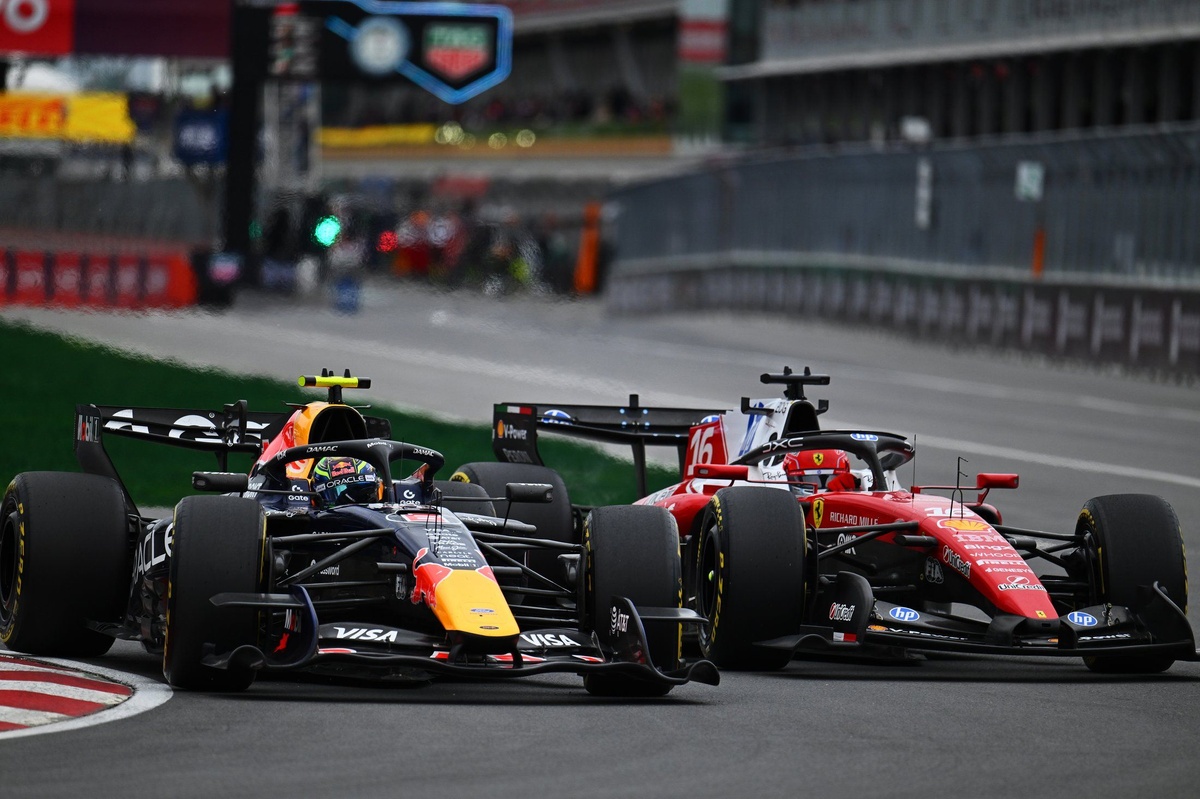
Driver Isack Hadjar was one of the most controversial cases of the Canadian Grand Prix, where he received two penalties, including a 10-second penalty for defending himself against Charles Leclerc with multiple direction changes. However, no penalty points were imposed on him.
During this same race, Oscar Piastri was also penalized without being awarded points. This trend towards leniency now raises doubts about whether the function of penalty points is being lost.
Moreover, Hadjar committed a serious infringement by failing to slow down under yellow flags, a behavior traditionally considered grave, yet once again, without penalty points.
A questioning of the penalty system
This new approach has sparked discussions about the relevance of the penalty points system. If infringements like ignoring yellow flags are no longer considered serious, the number of situations that could lead to sanctions dramatically decreases.
The question increasingly raised is: what is the purpose of maintaining a penalty points system in Formula 1 if the stewards are reactive to applying them in situations that previously would have been deemed sufficiently serious?
Although the goal of reducing sanctions is debatable, the shift in the philosophy of penalty points raises concerns about their application and significance in competition.
Written by FormulaRapidaAI