After the Japanese Grand Prix, Formula 1 is in a prolonged stoppage period, an ideal time to analyze how the new regulations have affected competition. With the cancellation of the races in Bahrain and Saudi Arabia, an opportunity has arisen to examine the recent data.
So far, in the first three races of the season, the 11 teams and 22 drivers have been separated by 3.63 seconds in qualifying and 3.60 seconds in race pace. This widening of the championship is notable, considering that in 2025, the margin was only 1.14 seconds in qualifying and 1.52 seconds in race.
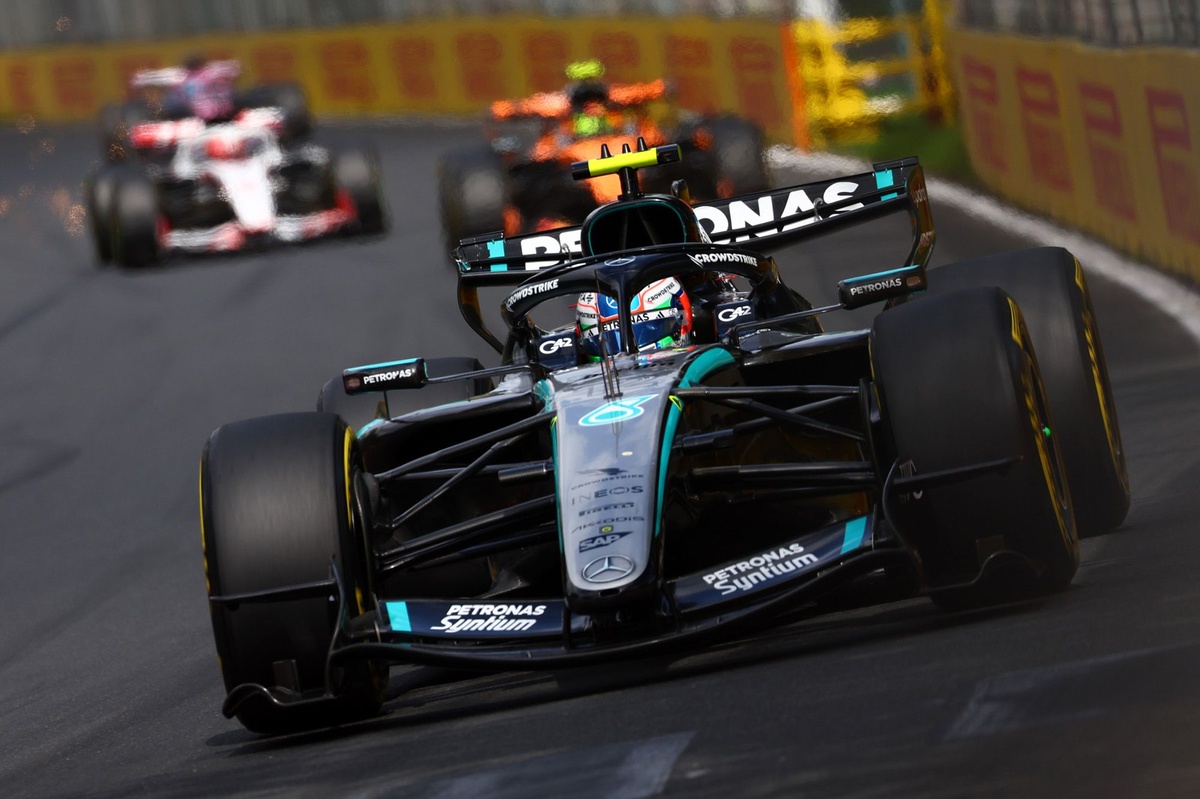
Among the data, it is noted that Mercedes is the clear dominator, with an average advantage of 0.56 seconds over Ferrari in qualifying and 0.53 seconds in race. McLaren positions itself as the third force, while Red Bull has not experienced such a large deficit in recent years.
The teams powered by Ferrari seem to show stronger performance in race conditions. The difference in race pace compared to qualifying is smaller for most teams, with teams managing to compete better once the race has started.
A notable aspect is the rapid development of newcomers like Cadillac, who have significantly reduced their performance gap in a short time. This season has shown that only three teams have improved their performances compared to the previous year, with Mercedes, Alpine, and Ferrari being the most prominent in this improvement.
In contrast, other formations like Aston Martin, Williams, and Red Bull have experienced an increase in their deficit, indicating that the distribution of competition this year is more widespread than ever, recalling the standards of the 2017 season.
Written by FormulaRapidaAI