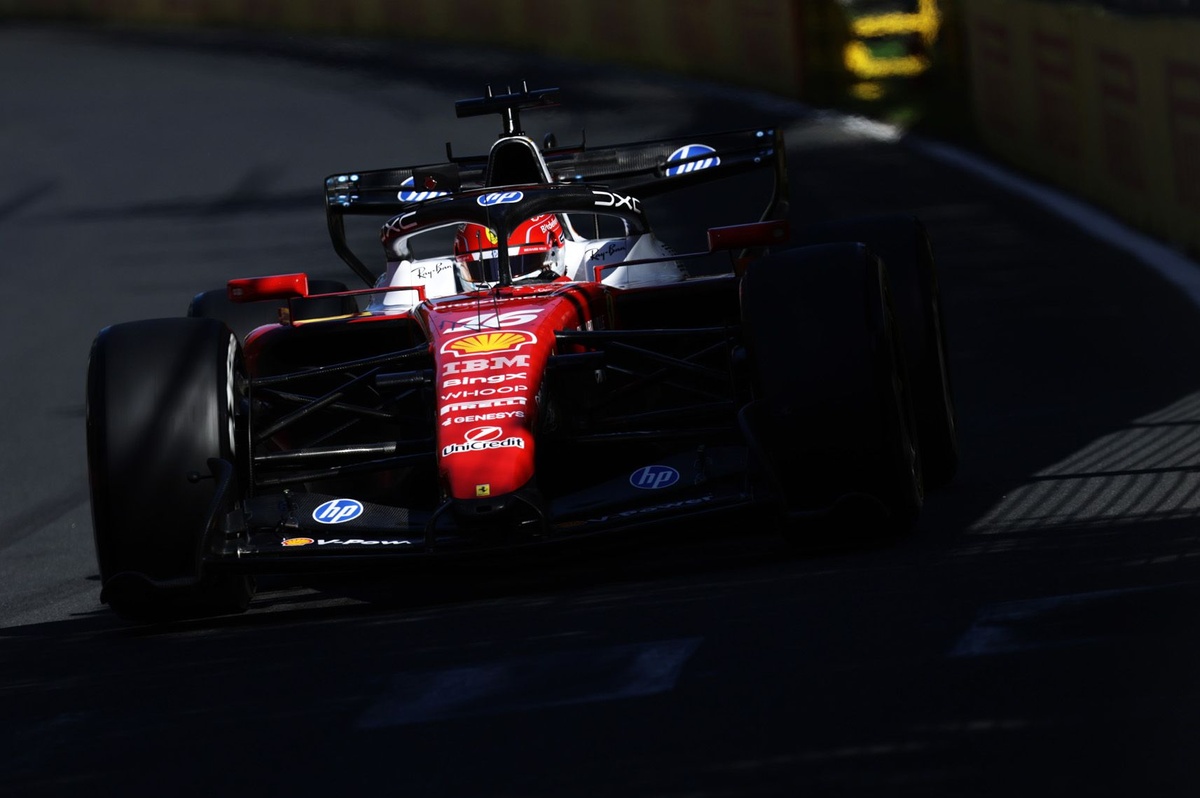
The director of the Ferrari team, Fred Vasseur, has expressed his views on the new Formula 1 rules for the 2026 season, warning that making immediate changes would be a mistake. With the implementation of a new chassis and engine regulation, which includes power units with 50% electric energy, energy management has become a crucial factor in the competition.
During the Australian Grand Prix, drivers had to manage energy better, a necessity that had a notable impact on the race. The competition recorded 120 overtakes, a significant increase compared to the 45 from the previous year, although this has raised doubts about the impact of energy management on the spectacle.
Moreover, the removal of the MGU-H component has complicated the cars’ starts, as demonstrated by an incident at the race start in Melbourne. The complicated new energy modes, such as the direct mode and the overtaking mode, have required an adaptation period for both drivers and spectators.
Vasseur indicated that it is advisable to wait two or three races before making decisions on possible reforms. “There has been a lot of criticism before the season, but it is premature to act so quickly after a single race,” he added.
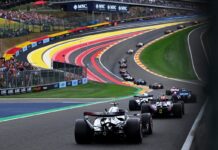
The first laps of the race in Australia, characterized by an intense battle for the lead between George Russell and Charles Leclerc, were a clear example of the potential that these new rules can bring. The team principal of Sauber, Jonathan Wheatley, also defended the idea of maintaining calm before implementing significant changes, emphasizing that all teams will quickly adapt their strategies.
Former F1 driver Timo Glock pointed out the dangers associated with the instant closing speeds generated by energy management. However, Wheatley was optimistic, stating that the new rules would only make the cars more sophisticated and easier to control in the future.
Formula 1 has charted a path filled with significant changes, and teams are now looking to the future with hope, hoping that these new methodologies will provide an exciting and competitive spectacle.