The team principal of Ferrari, Fred Vasseur, has indicated that the Formula 1 cars of 2026 have “positively surprised” the competitive environment, following initial impressions that raised doubts about the new regulations.
This year, the category witnesses one of the most significant changes in its history. The vehicles of 2026 will incorporate active aerodynamics and a power distribution that balances electrical energy and the internal combustion engine in a 50:50 ratio.
After a regulatory restructuring in 2014, which led to a notable decrease in lap times, there were concerns that this generation of cars might become slowly competitive again.
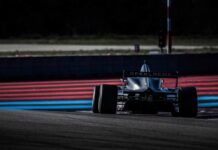
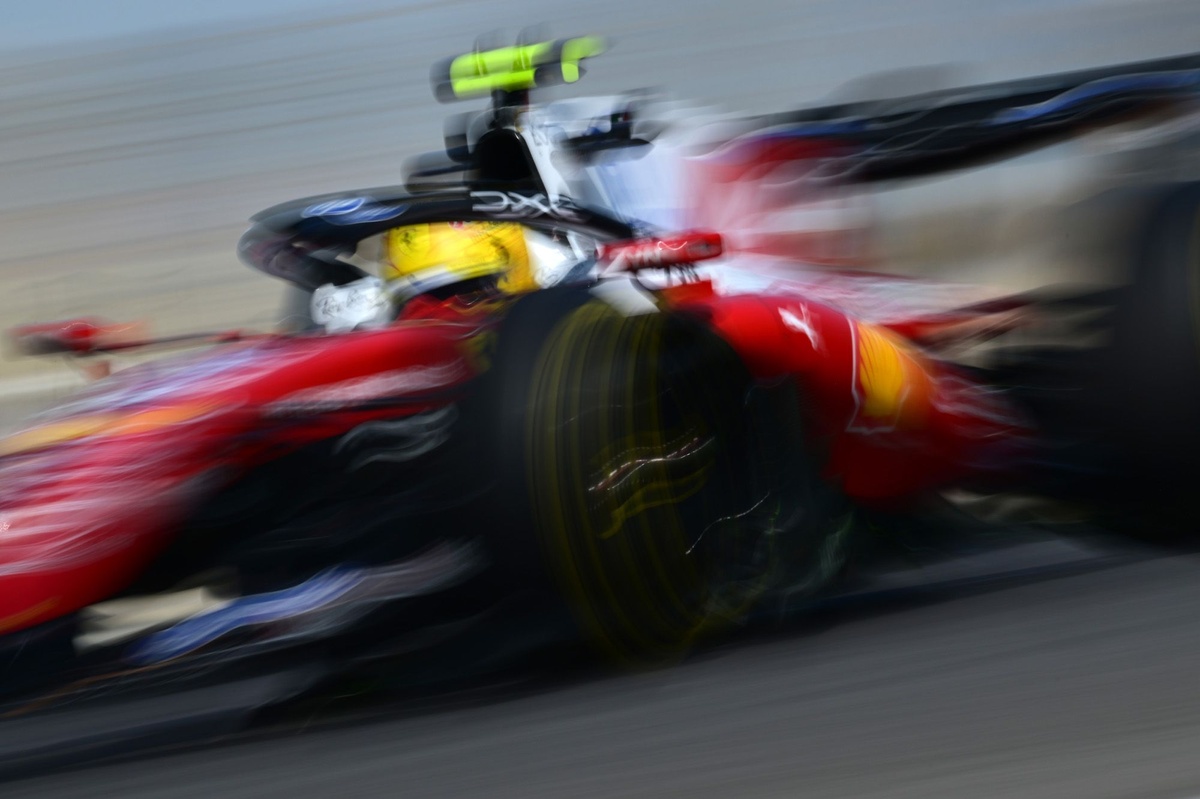
The worries focused on the dependence on electrical energy, with fears that drivers could exhaust their regenerative energy during long straights. However, at the end of the second test in Bahrain, Ferrari driver Charles Leclerc achieved a respectable time of 1m31.992s with Pirelli C4 tires. This mark was approximately 2.5 seconds off the best time set by Carlos Sainz in the previous year’s testing, a difference that may decrease as teams work on their improvements.
With the Australian Grand Prix on the horizon, Vasseur has expressed optimism about the initial impressions from the tests, which have helped dispel many of the initial doubts regarding the new regulations. “It’s in the DNA of F1 to complain about everything, but overall I think everyone has been positively surprised,” Vasseur commented.
“People said we would be almost at F2 level, but we are only two or three seconds off the times from 2025, and last year the temperatures during testing in Bahrain were much lower. Therefore, based on what we have seen, I believe the overall situation is much better than feared,” he added.
Vasseur acknowledged that while there are critical areas for improvement, the start of this technical cycle represents an opportunity for adaptation and refinement. “The important thing is that there is fierce competition: when there is an intense battle between two or more teams, it doesn’t matter as much if you are one or two seconds slower than last year. What matters is being a tenth faster than your rivals,” he emphasized.
Ferrari has captured attention in Bahrain with an innovative design of the rear wing that rotates 180 degrees, helping to reduce drag while maintaining overall stability. Additionally, they introduced a new aerodynamic solution called FTM, which includes a small fin in front of the exhaust pipe to improve energy recovery.
Vasseur expressed his satisfaction with the efforts of Ferrari engineers to innovate with the SF-26, always maintaining close dialogue with the FIA to ensure the legality of their aerodynamic package. “It’s essential to explore the technical regulations, be aggressive, and push the limits. Only then can you innovate,” he concluded.